
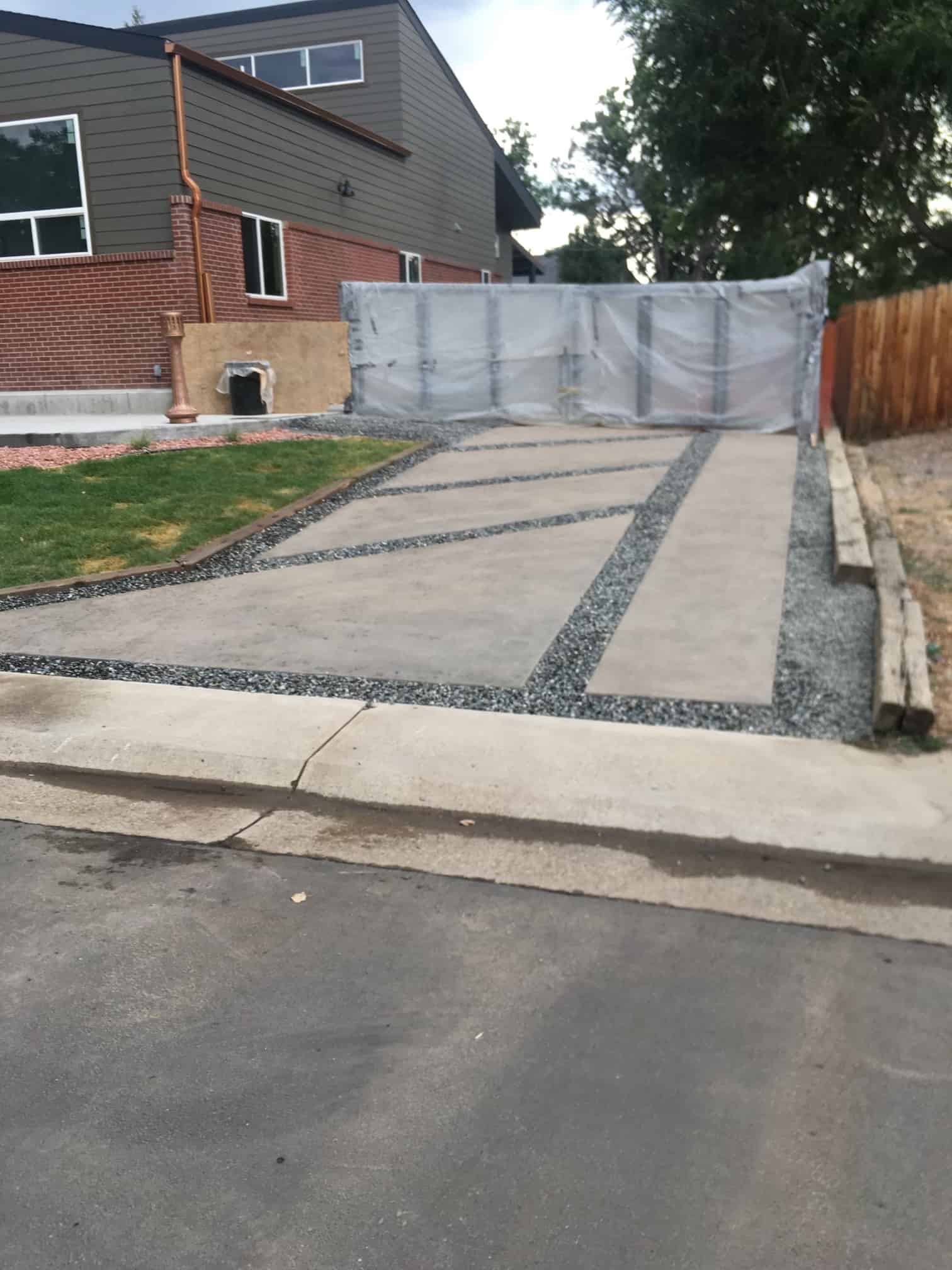
A concrete driveway is built to handle years of vehicle traffic, changing weather, and everyday use, but it will not stay in perfect condition forever. Cracks, surface deterioration, uneven sections, and other problems can eventually leave homeowners wondering whether another repair is worthwhile or if it is time to replace the driveway altogether.
For Denver homeowners, seasonal temperature changes, moisture, snow, and freeze-thaw conditions can add additional stress to outdoor concrete. Knowing what to look for can help you decide when it is time to have your driveway professionally evaluated.
Here are five signs that concrete driveway replacement may be worth considering.
1. Cracks Are Spreading Across the Driveway
A single small crack does not automatically mean you need a new driveway. Concrete can develop minor cracking over time, and some isolated areas may be repairable.
The situation changes when cracks begin appearing throughout large portions of the driveway.
Multiple cracks, intersecting cracks, or cracks that continue to expand can indicate more extensive deterioration. Continually repairing individual areas may become less practical when the overall surface is showing significant wear.
If cracking is widespread, a concrete contractor can evaluate whether repair still makes sense or whether replacement would provide a better long-term solution.
2. Sections of the Driveway Are Uneven
Your driveway should provide a relatively consistent surface between the street and garage.
If sections of concrete have shifted or become noticeably uneven, the issue deserves attention. Changes in the concrete can affect how the driveway looks and functions and may become more noticeable as deterioration continues.
The right solution depends on how much of the driveway is affected. An isolated area may have different options than a driveway with movement across several sections.
When uneven concrete is widespread, replacing the driveway can provide an opportunity to start with a newly prepared surface rather than continuing to address individual problem areas.
3. The Surface Is Crumbling or Deteriorating
Not all concrete damage appears as a major crack.
Older driveways may develop rough surfaces, flaking, chipping, broken edges, or areas where the concrete appears increasingly worn. These problems can make an otherwise well-maintained home look dated and may continue to worsen over time.
Surface deterioration can sometimes be addressed through repair or resurfacing depending on the condition of the underlying concrete.
However, when deterioration affects large portions of the driveway, replacement may be the more practical approach.
4. You Keep Repairing the Same Driveway
Repairs can be an effective solution when concrete damage is limited.
But if you find yourself repeatedly patching cracks, repairing different sections, or dealing with new problems shortly after previous repairs, it may be time to look at the condition of the driveway as a whole.
There comes a point where continually investing in individual repairs may not provide the result you want.
A professional evaluation can help determine whether another repair is worthwhile or whether replacing the existing concrete would give you a more consistent finished surface.
5. Your Driveway Is Hurting Your Home’s Curb Appeal
A driveway takes up a significant amount of visible space in front of many homes.
Even if the concrete is still usable, extensive patchwork, staining, cracking, deteriorated edges, and worn surfaces can affect the appearance of the entire property.
Replacing an older driveway creates an opportunity to give the front of your home a cleaner, updated look.
It is also a chance to reconsider the design. Instead of recreating the existing driveway exactly, homeowners may be able to explore traditional concrete, stamped finishes, colored concrete, connected walkways, or other improvements that better complement the property.
Should You Repair or Replace Your Concrete Driveway?
There is no single answer that applies to every damaged driveway.
Concrete repair may be appropriate when the damage is isolated and most of the existing surface remains in good condition. Resurfacing may be an option for certain types of surface deterioration.
Replacement becomes worth considering when problems are widespread, several sections are affected, deterioration continues to progress, or previous repairs are no longer providing satisfactory results.
The best way to make that decision is to have the entire driveway evaluated rather than focusing on one crack or damaged section.
Benefits of Replacing an Aging Driveway
A new concrete driveway can do more than eliminate damaged concrete.
Replacement gives homeowners an opportunity to create a fresh, consistent surface and improve the appearance of the property. It may also be the right time to coordinate other concrete improvements, such as replacing an adjoining walkway or choosing a decorative finish.
For homeowners already updating landscaping, siding, exterior paint, or other visible areas of the home, replacing an aging driveway can help bring the entire exterior together.
Planning a Concrete Driveway Replacement in Denver?
If your driveway has widespread cracking, uneven sections, significant surface deterioration, or recurring repairs, Sunny Day Concrete can help you understand your options.
With more than 25 years of concrete experience, Sunny Day Concrete provides concrete driveway installation, repair, resurfacing, and complete driveway replacement throughout Denver and the surrounding metro area.
Our team can evaluate the condition of your existing concrete and help determine whether repair or replacement makes the most sense for your property.
Call Sunny Day Concrete at (720) 495-8051 or contact us online today to request your free concrete driveway estimate.